
4 Mori Family Village – A Family Guide 2026
-
Jenna Carr


Build a custom DIY trip in 30 seconds!


Copenhagen is colourful, compact and packed with things to do, making it a brilliant city break for families. Historic castles and cobbled streets sit alongside cutting-edge design, excellent food and some of Europe’s best family attractions. It feels relaxed and easy to explore, with plenty to entertain both children and adults.
But is Copenhagen expensive? Broadly speaking, yes. Accommodation, meals and attractions can quickly add up, but a family trip doesn’t have to cost a fortune. With some savvy planning, the right sightseeing pass and a few carefully chosen places to eat and stay, it’s possible to experience the best of the city without completely blowing the budget. This guide covers everything you need to plan a fantastic – and more affordable – family trip to Copenhagen.
Yes, Copenhagen is one of Europe’s best cities for a family break. It is compact, easy to navigate and packed with world-class attractions including Tivoli Gardens, the Experimentarium and Copenhagen Zoo. It is not a cheap city, but careful planning around accommodation, food and sightseeing passes can keep costs manageable. Three days is the sweet spot for most families visiting for the first time.

Copenhagen is served by Copenhagen Airport, also known as Kastrup Airport (CPH), which is only around 8km from the city centre. With regular direct flights from airports across the UK and a quick journey into the city, Copenhagen is an easy choice for a weekend break or a longer family trip.
Public transport is usually the cheapest and most convenient way to reach central Copenhagen. Both the train and Metro depart from Terminal 3, with services running frequently throughout the day and late into the evening.
Choose the train if you’re travelling to Copenhagen Central Station, or take the Metro if you’re staying closer to areas such as Kongens Nytorv or Nørreport. Either option takes around 15 minutes, so check which station is closest to your accommodation before boarding.
We arrived at around 10:30pm and were quoted €60 for a taxi journey that should have taken approximately 10 minutes. Unsurprisingly, we politely declined – I’d much rather use straightforward public transport and pay less. Our train tickets cost around £3.50 each, and within 15 minutes we were at Copenhagen Central Station, from where we could walk to our hotel.


Three full days is a comfortable amount of time to see Copenhagen’s highlights without feeling rushed. You can cover Tivoli, Nyhavn, a canal tour, Rosenborg Castle and the zoo in that time, with room for a proper wander through a neighbourhood or two.
Two days is doable if you plan carefully and start early. You will need to prioritise the attractions that matter most to your group and accept that some things will not make the cut.
If you have four or five days, the extra time is easy to fill. Copenhagen Zoo and the Experimentarium each take most of a day, and day trips to Malmö in Sweden or Frederiksborg Castle are popular options once you have covered the city centre highlights.
One day is enough to get a flavour of the city, but not enough to feel like you have really explored it. If you only have 24 hours, focus on Nyhavn, a canal tour from Ved Stranden and a walk through the old city centre.
Late spring and summer (May to August) are the most popular months to visit Copenhagen, and for good reason. Temperatures are warm, daylight hours are long and the city is at its liveliest. Tivoli Gardens is open throughout summer, outdoor seating fills the waterfront and cycling around the city is genuinely enjoyable.
The trade-off is that this is also peak season, so accommodation prices are at their highest and popular attractions can be busy. Book well in advance if you are travelling during school summer holidays.
September and early October offer a good middle ground. The weather is still reasonable, the worst of the summer crowds have thinned out and prices start to ease. Copenhagen in autumn has a particular charm, with shorter days that make the city feel more intimate.
Winter (November to February) is cold and dark, but Copenhagen handles it well. The Christmas markets and Tivoli’s winter season are genuinely lovely, and hotel prices are noticeably lower. Just pack properly.
Spring (March and April) can be unpredictable but is often underrated. Tivoli reopens in spring and the city starts to come alive again after winter, with fewer tourists than summer.
Copenhagen offers a diverse range of neighbourhoods, each with its own distinct character and charm. Choosing the right area to stay in when you visit Copenhagen depends on the type of experience you’re looking for. If like us you just want the cheapest possible option, then let price lead the way instead! Our search feature will find you the best option to fit within your budget.
The historical heart of Copenhagen is characterised by cobblestone streets, picturesque canals, and iconic landmarks like the Round Tower and Christiansborg Palace. This area is perfect for those who want to be in the midst of historic sites and enjoy a vibrant atmosphere. Note this will be the most expensive place to stay, browse some HOTEL OPTIONS here.
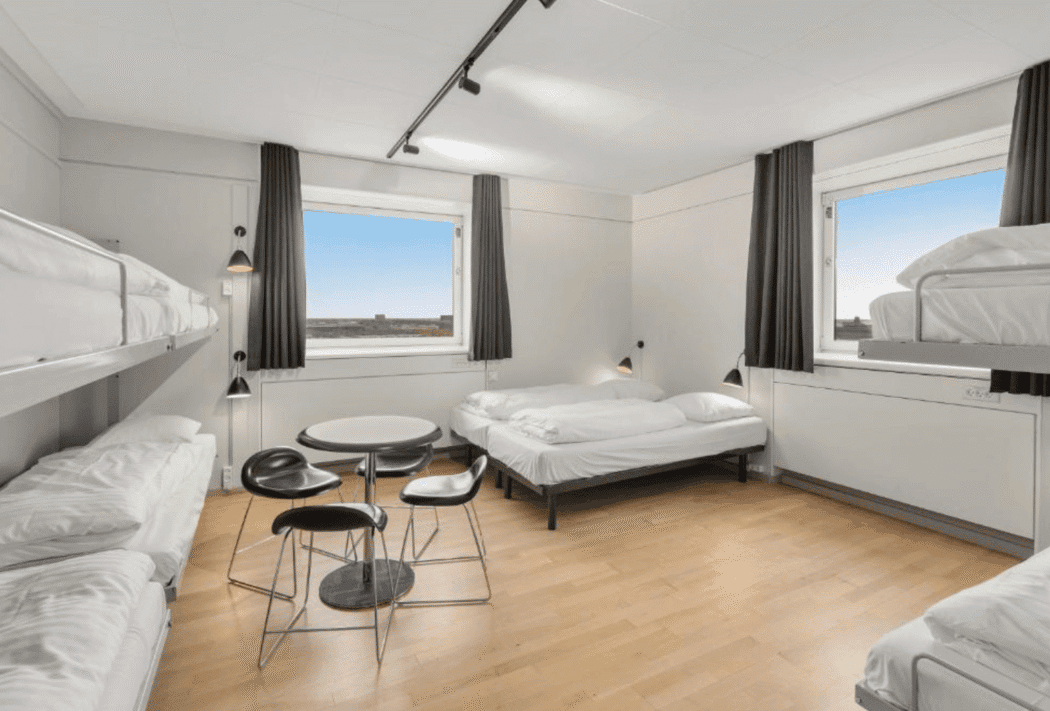
Once an industrial area, Vesterbro has now transformed into a trendy neighbourhood. Packed with cool cafes, boutiques, and art galleries, it appeals to the creative and young at heart. The Meatpacking District is a must-visit for its lively nightlife and food scene. We had dinner here at a place called ‘Warpigs’ after lots of recommendations. Expensive but delicious! You will find a lot more affordable hotel options at this side of town and its not far from the central station. Browse some HOTEL OPTIONS here. We stayed close to this area in a hotel called “Wakeup Copenhagen Carsten Niebuhrs Gade” it was close to a bus stop, around a 10 minute walk from the central station and Tivoli Gardens. A great value option to consider.
Copenhagens multicultural hub. Nørrebro is a melting pot of diverse cultures and influences. Here, you’ll find quirky boutiques, street art, and a thriving food scene from around the world. Assistens Cemetery, where Hans Christian Andersen is buried, is a peaceful oasis in the heart of Nørrebro. You can take the metro, bus or walk to the centre from here. Check out some HOTEL OPTIONS in the area.
Situated along the waterfront, Østerbro is a family-friendly district with green spaces and a laid-back atmosphere. The famous Little Mermaid statue is located in this area, as well as ‘The Experimetarium’, a great attraction for kids. I will discuss this more in my family guide. From here it is easy to reach the centre of Copenhagen via metro or bus. Check out some HOTEL OPTIONS here.

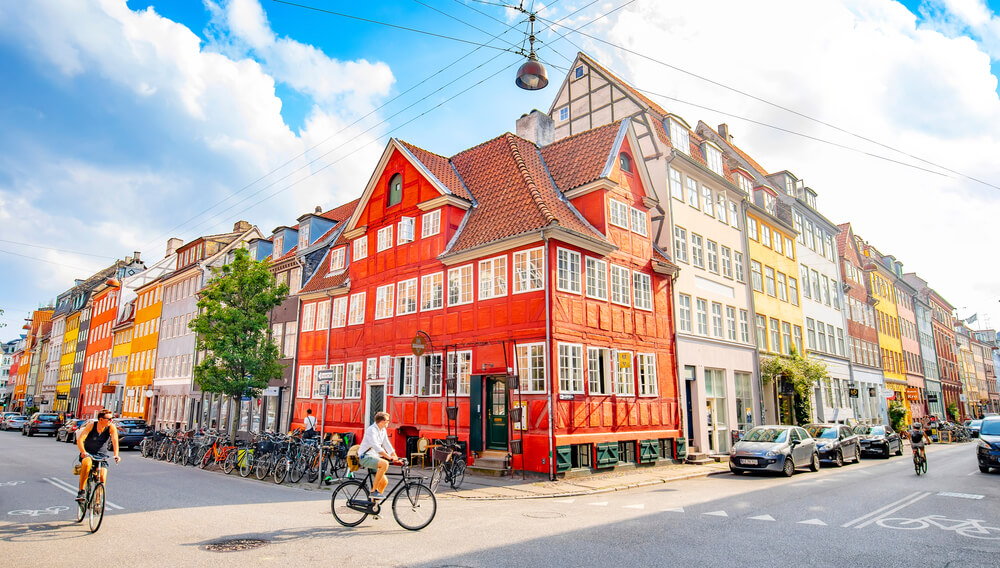
Copenhagen has an excellent public transport network, making it easy to explore the city without spending a fortune on taxis. The Metro connects many of the main neighbourhoods and attractions, while trains and buses cover the areas it doesn’t reach. Services are frequent, simple to navigate and run from early in the morning until late at night.
That said, Copenhagen is also a very walkable city. It’s relatively compact and mostly flat, with plenty to see as you wander between attractions. We walked more than 20,000 steps on most days, but because the streets are so attractive and there is always something interesting around the next corner, it rarely felt like a chore.
For attractions farther from the centre, including Copenhagen Zoo and Experimentarium, we used public transport. Google Maps made planning each journey straightforward and showed us which Metro, train or bus to take.
Copenhagen is one of the most cycle-friendly cities in the world, with an extensive network of well-maintained cycle lanes. Hiring a bike can be an enjoyable and environmentally friendly way to explore, but the lanes are heavily used by confident local cyclists.
Follow traffic signals, stay to the correct side and avoid stopping suddenly in the middle of a cycle lane. Families can also hire cargo bikes, child seats and trailers from selected operators.
We bought the Copenhagen Card Discover, which included admission to numerous attractions as well as unlimited public transport across the wider Copenhagen region. This made getting around simple and meant we didn’t have to buy individual tickets every time we travelled.
There is also a Copenhagen Card Hop, which includes selected central attractions and hop-on hop-off sightseeing buses rather than Copenhagen’s regular public transport network.
Whether either card offers good value will depend on how long you’re staying, which attractions you plan to visit and how frequently you expect to use transport. I’ll cover the different options and calculate when each card is worthwhile in a separate Copenhagen Card guide.
The Danish krone is the official currency of Denmark. This is abbreviated to DKK and its symbol is kr. Some people would quote us prices in both Euro and DKK, but we used card payments for everything. This is the first destination I’ve visited where I never had the need to get any local currency! We have a specific travel credit card which has near perfect exchange rates and no fees for using it. Be very careful using your normal debit card abroad as you can end up being charged a fee every time you tap. If you are asked whether you want to pay in pounds or the local currency whilst using your card, always choose the local currency.
This is one of those “how long is a piece of string?” questions, because your food budget will depend entirely on how and where you choose to eat.
Copenhagen has an excellent food scene, ranging from Michelin-starred restaurants to bakeries, food halls and traditional hot-dog stands. However, arriving without a plan and wandering into the nearest restaurant can become expensive very quickly. A main course in a sit-down restaurant can easily cost between £25 and £50 before drinks, while a local beer will often cost around £6 to £8.
As a rough guide, I would allow:
Children will usually cost less, particularly if you share snacks, pastries and larger portions.
Absolutely. Copenhagen may be known for expensive restaurants, but it also has plenty of bakeries, food halls, takeaway restaurants and street-food vendors.
We loved the traditional hot-dog stands dotted around the city. The hot dogs were delicious, filling and cost around £4 – £7 each, making them an easy and relatively affordable lunch. Denmark’s tourism board also recommends street-food markets as one of the best ways to eat more cheaply in Denmark.
Carry a refillable water bottle too. Copenhagen’s tap water is safe to drink, so there is no need to keep buying bottled water while exploring.
If your accommodation includes a kitchen, you’re winning. Supermarket prices are much more manageable than restaurant prices, and preparing even one meal each day can make a noticeable difference to your overall spending.
We shopped at Netto, which was an absolute blast from the past! Buying pastries, fruit, yoghurt and coffee for breakfast meant we could leave the hotel already fed, while packed lunches and a few snacks stopped us paying city-centre prices every time someone announced they were hungry.
Look out for supermarkets including:
Our preferred approach is to balance cheaper meals with one memorable dining experience. Have breakfast in your accommodation, grab street food for lunch and then use the money you’ve saved for one lovely evening meal. That way, you can enjoy Copenhagen’s brilliant food scene without needing to remortgage the house when you get home.
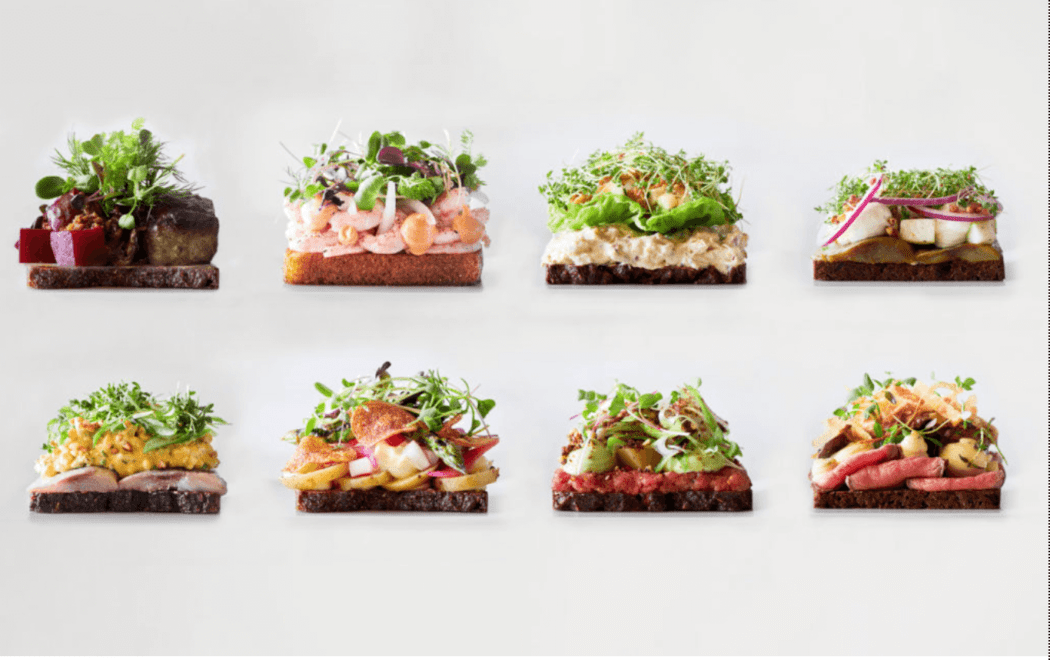
Smørrebrød: This classic Danish open-faced sandwich is a well loved and versatile dish, featuring various toppings on top of rye bread. It’s a staple in Danish cuisine and is often considered a symbol of traditional Danish dining. You can try these inexpensively in many cafes.
Frikadeller: These savoury meatballs, usually made from a mix of pork and veal, are a comfort food in Denmark. They are commonly served as a main course, accompanied by potatoes and gravy.
Rød Pølse: Danish red sausages served in a bun (hot dog) with toppings like ketchup, and mustard. They are a popular street food item and a quick, delicious and inexpensive snack.
Gravad Laks: AKA cured salmon is a delicacy in Denmark. The salmon is typically cured with a mixture of salt, sugar, and dill, resulting in a delicious dish often served with mustard sauce and dill.
Gammel Dansk: This traditional Danish liqueur is often enjoyed as an aperitif. Its distinct flavour makes it a unique and quintessentially Danish drink.
Danish Beer: Denmark has a rich beer culture, and trying local brews, whether it’s the well-known Carlsberg or craft beers from microbreweries, is a popular activity for locals and visitors alike. You can visit the Calsberg museum where you get to sample the beer.
Copenhagen may be relatively compact, but it has an impressive mixture of historic landmarks, museums, family attractions and unusual neighbourhoods to explore. I’ll be publishing a separate guide dedicated entirely to Copenhagen with children, but these are some of the city’s best attractions for visitors of all ages.
With its colourful buildings, historic boats and waterfront restaurants, Nyhavn is one of Copenhagen’s most recognisable areas. It’s lovely for a stroll and a drink, although restaurants directly beside the harbour can be expensive.
Several canal tours depart from Nyhavn, but there is an important detail for Copenhagen Card users: the included Classic Canal Tour normally departs from Ved Stranden 26. Boarding elsewhere may result in an additional charge, so check the departure point carefully.
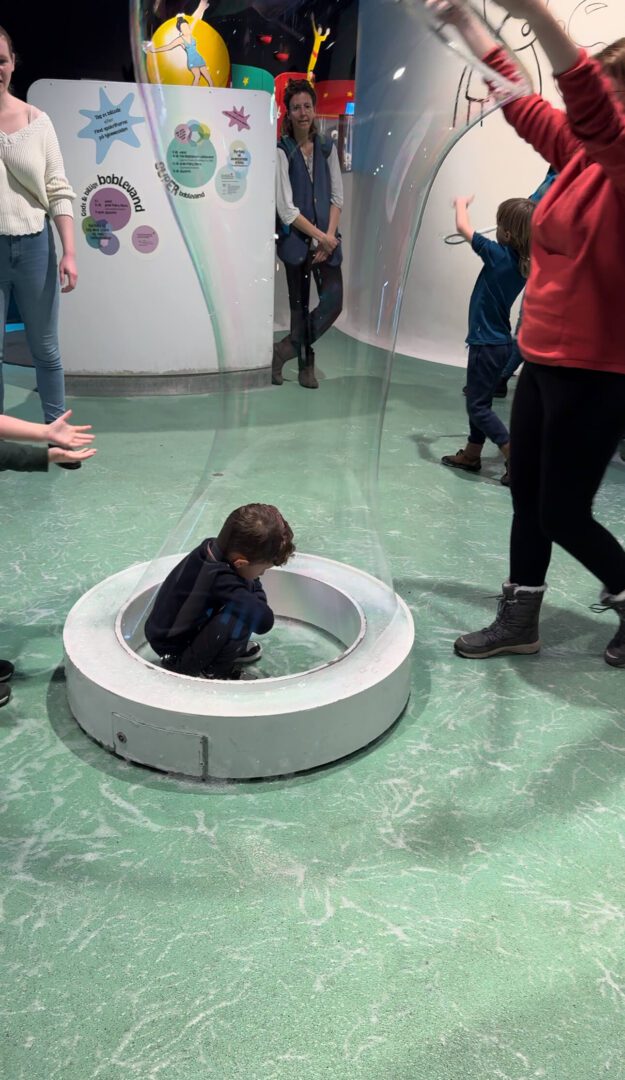
Experimentarium is an enormous hands-on science centre and one of Copenhagen’s best attractions for families. Its interactive exhibits cover subjects including the human body, water, light, technology and engineering, encouraging children to touch, test, build and experiment.
There are dedicated areas for younger visitors as well as more challenging activities for older children and adults. You could easily spend half a day here – and potentially much longer if the weather outside is being particularly Danish.
Dating back to 1843, Tivoli Gardens is one of the world’s oldest amusement parks. It combines traditional rides and rollercoasters with landscaped gardens, live entertainment, restaurants and thousands of lights that make the park particularly beautiful after dark.
Tivoli opens for different seasons throughout the year, including summer, Halloween and Christmas, but closes between these periods. Always check the opening calendar before planning your visit.
Admission is included with selected Copenhagen Cards, but rides are not. Cardholders can currently purchase a discounted unlimited Ride Pass separately. Read our complete guide to visiting Tivoli Gardens with children before you go.
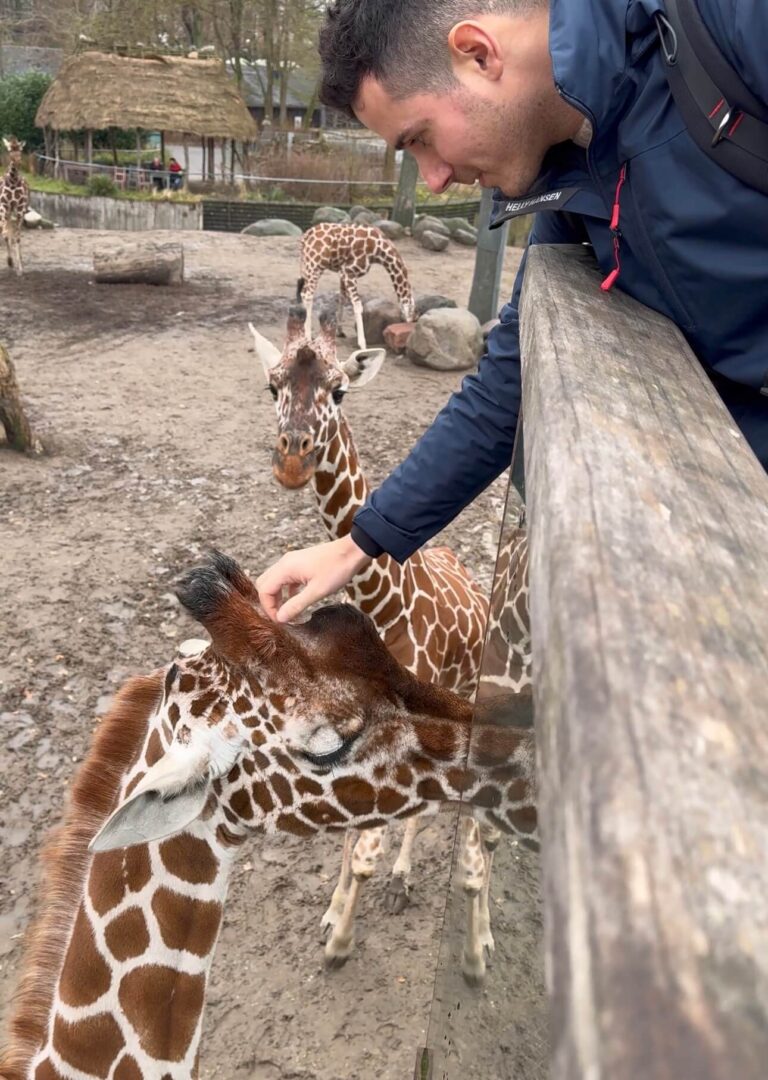

Copenhagen Zoo is home to thousands of animals from around the world and is large enough to fill most of a day without feeling completely unmanageable with children.
Highlights include the striking Elephant House, designed by architect Norman Foster, the Arctic Ring and the giant panda enclosure. Playgrounds, food outlets and indoor exhibits make it a practical attraction throughout the year, including on colder or wetter days.
Copenhagen is built for cycling, with dedicated cycle lanes covering much of the city. Hiring bikes is a brilliant way to explore the waterfront and travel between attractions without relying on public transport.
Prices vary between operators and the type of bike required, but expect standard bike hire to cost approximately £18 for one day or £28 for two days. If you’re cycling with children, check whether the company offers child seats, trailers or cargo bikes before booking.
Copenhagen’s cycle lanes can become extremely busy, so follow local signals, stay to the correct side and avoid suddenly stopping in the middle of a lane. The locals know exactly where they’re going and move accordingly!
Is she famous? Yes. Is she worth walking several miles across Copenhagen specifically to see? In my opinion, absolutely not.
The Little Mermaid is much smaller and less dramatic than many people expect. However, she remains one of Copenhagen’s most famous landmarks, so you may still want to visit and form your own opinion. If possible, include her as part of a wider waterfront walk or canal tour rather than making a special journey.
The National Museum is a great place to learn about Danish history, from prehistoric Denmark and the Vikings to more recent periods.
Families should look out for the Children’s Museum and interactive exhibits designed to make history more accessible to younger visitors. Entry is included with selected Copenhagen Cards, but check the current attraction list and opening hours before travelling.
Denmark is famous for its influence on architecture, furniture, fashion and industrial design. Designmuseum Danmark explores that heritage through collections featuring iconic Danish pieces alongside international design.
It’s a particularly good choice for adults and older children interested in creativity, interiors or architecture. Opening hours can vary, particularly on Mondays, so check directly with the museum before visiting.
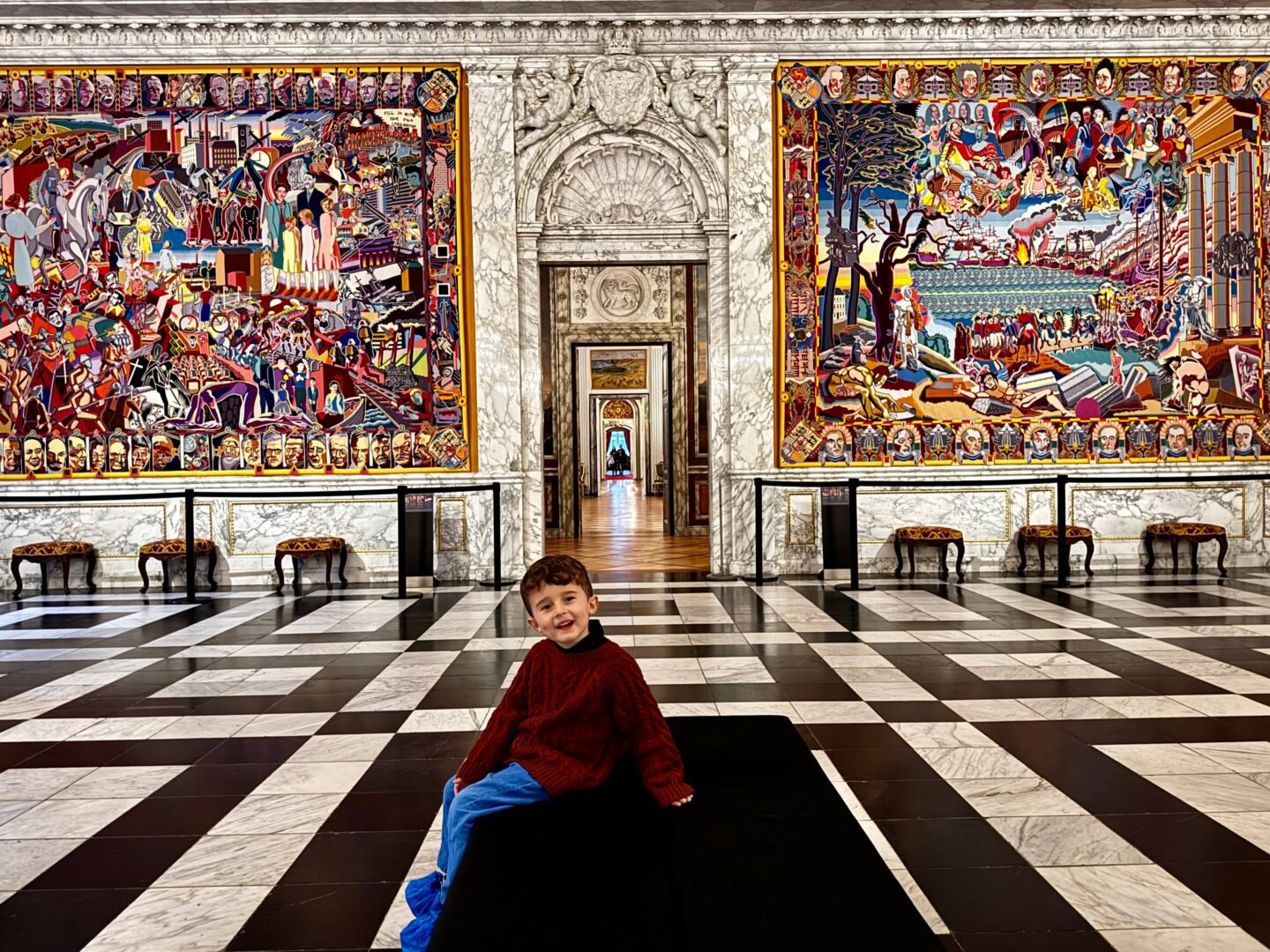
Rosenborg Castle was one of our favourite historical stops in Copenhagen. The Renaissance castle offers a fascinating look at Denmark’s royal history, with elaborate rooms, tapestries, royal treasures and the Danish Crown Jewels.
Allow time to explore the surrounding King’s Garden too. It’s free to enter and provides plenty of space for children to run around after being asked not to touch anything inside the castle. We also found a statue of Hans Christian Andersen and a small play area nearby.
Admission is included with selected Copenhagen Cards. Cardholders may need to obtain a same-day timed ticket, so check the latest arrangements before arriving.
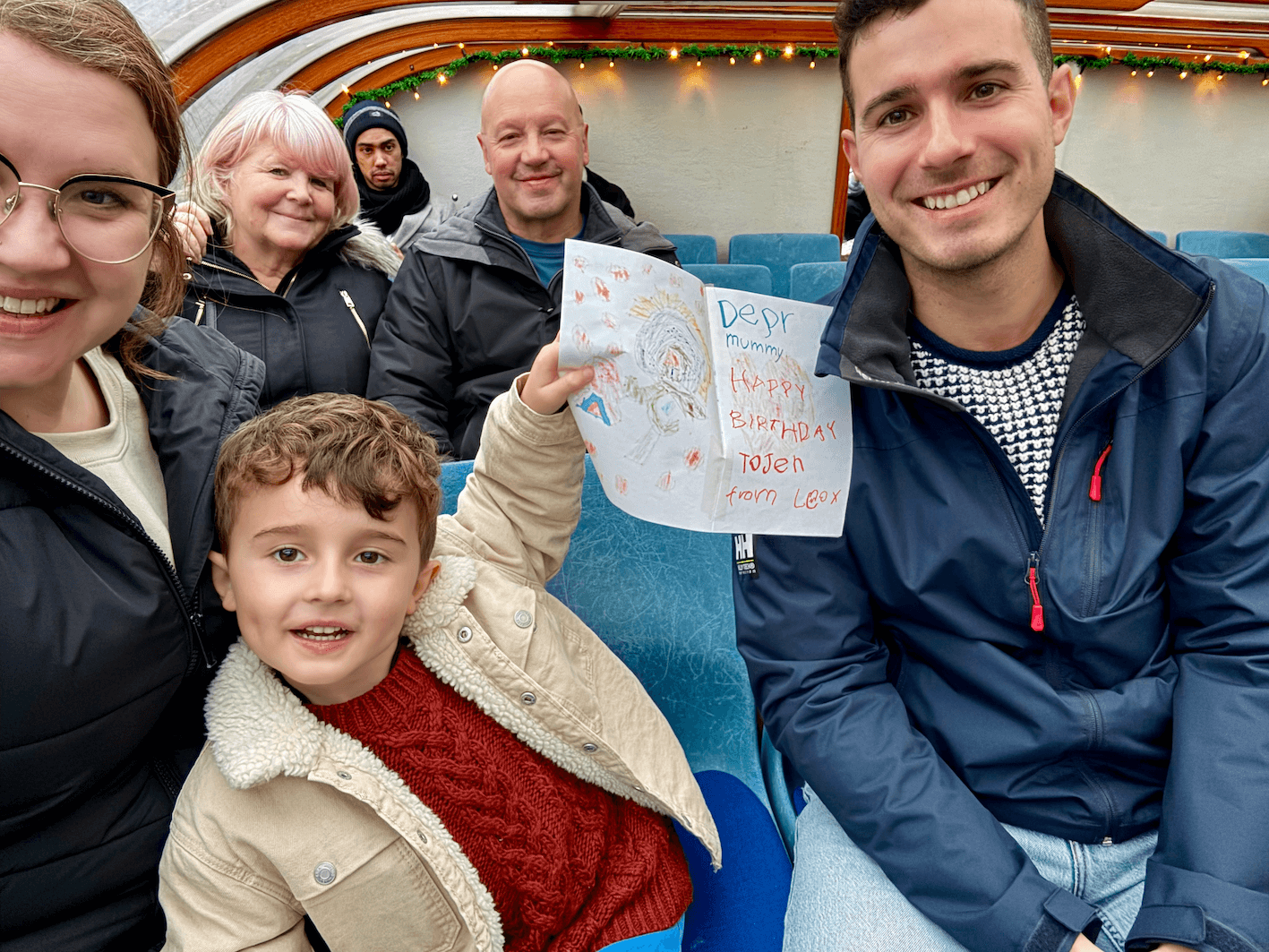
A canal tour is one of the easiest ways to see Copenhagen while giving tired legs a rest. Our one-hour tour departed from Ved Stranden and took us past several of the city’s major landmarks while the guide explained their history.
Our son enjoyed the novelty of travelling by boat and sat drawing while we listened to the commentary and enjoyed the views. It worked well for everyone and required very little effort – which is sometimes exactly what you need during a busy city break.
The Classic Canal Tour from Ved Stranden is currently included with selected Copenhagen Cards, although advance online reservations are not normally available.
The Round Tower, or Rundetaarn, was built in the 17th century as an astronomical observatory. Instead of a conventional staircase for most of the climb, it has a wide spiral ramp that winds towards the top and was designed to accommodate horses and carts.
There are exhibitions and places to pause along the route before the final steps lead to an outdoor viewing platform. From here, you’ll be rewarded with excellent views across Copenhagen’s rooftops.
Freetown Christiania is an alternative community in the Christianshavn district, known for its colourful buildings, street art, workshops, cafés and unconventional history.
Christiania was previously notorious for the open sale of cannabis along Pusher Street. However, residents dismantled the illegal market in 2024 following concerns about organised crime and violence. The area is now undergoing significant redevelopment, so older guides describing rows of cannabis stalls and daily police raids are no longer accurate.
Christiania remains free to visit, but remember that it is a residential community rather than a purpose-built tourist attraction. Be respectful, follow any local signs and avoid photographing people without their permission.
Copenhagen has a reputation for being expensive, and it is, but there are more free things to do here than you might expect.
Absolutely. Copenhagen combines history, design, food and family attractions in a city that feels compact and relatively easy to explore. It can be expensive, but careful choices around accommodation, food and sightseeing can keep the overall cost under control.
The Copenhagen Card can offer good value if you intend to visit several paid attractions and use public transport regularly. However, there are different versions of the card and inclusions can change, so calculate the cost of your planned activities before buying rather than assuming it will automatically save you money.
We loved our time in Copenhagen and would happily return. I hope this guide helps you plan your own trip!
Some links in this article are affiliate links. If you book through one of these links, we may receive a small commission at no additional cost to you.
How many days in Copenhagen is enough?
Three full days is the sweet spot for most first-time visitors. You can cover Tivoli, Nyhavn, a canal tour, Rosenborg Castle and the zoo comfortably, with time for a neighbourhood wander. Two days is possible with tight planning; four or five days lets you easily add Copenhagen Zoo, the Experimentarium and a day trip.
May to August is peak season, with the warmest weather and the longest days. September is a strong alternative: the crowds thin out, prices ease and the weather is still reasonable. Winter is cold but the Christmas markets and Tivoli’s seasonal opening make it worth considering if you pack warm clothes.
Yes, Copenhagen is one of Europe’s pricier city-break destinations. A sit-down restaurant main course can cost £25-£50 per person, and a local beer runs around £6-£8. That said, hot-dog stands, bakeries and supermarkets make it possible to eat well for much less. The Copenhagen Card can also reduce attraction costs significantly if you plan to visit several paid sites.
It depends on your itinerary. The card covers entry to a range of paid attractions and includes unlimited public transport, so it can offer strong value if you plan to visit several museums and the zoo within a short trip. Calculate the entry cost of your planned attractions against the card price before buying; for a two-day trip with only one or two attraction visits it may not save you money.
A few things to keep in mind: Denmark uses the Danish krone (DKK), not the euro, though some places will quote prices in both. Card payments are accepted almost everywhere and you are unlikely to need cash at all. Copenhagen is extremely cycle-friendly, but the bike lanes are busy and fast, so follow local signals if you hire bikes. Tap water is safe to drink, which saves money on bottled water. And always check Tivoli’s seasonal opening calendar before visiting, as it closes between seasons.
Walking Nyhavn costs nothing. King’s Garden around Rosenborg Castle is free to enter and has a small play area. Freetown Christiania is free to walk through. Assistens Cemetery in Nørrebro, where Hans Christian Andersen is buried, is a peaceful and often overlooked spot. Simply walking the old city centre streets and canals is one of the best ways to experience the city without spending a thing.
The train and Metro both depart from Terminal 3 and take around 15 minutes to reach the city centre. The train is the best option if you are heading to Copenhagen Central Station; the Metro suits stays closer to Kongens Nytorv or Nørreport. Train tickets cost around £3.50 per person, making public transport by far the most affordable option compared to a taxi.
Yes, Copenhagen is consistently rated one of the safest cities in Europe. Public transport is reliable and well-used, the city is compact and walkable, and petty crime rates are low by international standards. Freetown Christiania went through a period of concern related to organised crime, but residents dismantled the illegal market there in 2024 and the area is now a straightforward community to visit respectfully.
The Danish krone (DKK) is the official currency of Denmark. Some vendors will quote prices in both euros and kroner, but card payments are accepted almost universally. During our visit, we never needed to withdraw any local cash at all, a first for us. If you are asked whether to pay in pounds or the local currency when using your card abroad, always choose the local currency to avoid unfavourable conversion rates.
Our family is passionate about helping you save money. We are real people who understand the need to make your budget go further. With The Travel Mum we have created a vibrant community of over 840k+ savvy travellers who want to travel more while spending less. No problem is too big or small, together we will do everything in our power to make sure you are making the absolute most of your well earned budget!
It’s interesting how different people respond and empathise with a mum doing something like this. You walk in and see this, no other context - what are you thinking?
We had two very different responses (yes, to us minding our own business 😅🤣)
#thetravelmum #familytravel #travelwithkids
Sep 17

It’s interesting how different people respond and empathise with a mum doing something like this. You walk in and see this, no other context - what are you thinking?
We had two very different responses (yes, to us minding our own business 😅🤣)
#thetravelmum #familytravel #travelwithkids
My favourite Christmas city break with kids goes to…
Copenhagen!
The city is gorgeous, has lots of Xmas markets and you can fly there for super cheap 🥳
Comment COPENHAGEN and I’ll send you a link with these flights (prices correct at time of posting)
#copenhagen #citybreakwithkids #familytravels #thetravelmum
It’s one city where you won’t be short on things to do as a family.
This is a great example of somewhere I would book if I was planning a trip for this year. It’s central, has lots of space, would work for a big family, and is a great price!
Comment COPENHAGEN and I’ll send you the link for this.
On arrival you can mooch around the city and visit Freetown Christiania which is a super interesting place. I’ve got more information about this on the blog I’ve written (I’ll include it in the DM I send with the flight and hotel links).
You can visit Christmas markets and go ice skating in the winter season.
We all loved this zoo. The animals were well taken care of, it has playgrounds and enough to keep a family busy all day. We took the bus there. It’s included in the Copenhagen card (last slide)
Tivoli Gardens is a highlight and is gorgeous at Christmas time. We have a whole blog post on it if you need more info.
One interesting thing about this theme park is there’s a price for admission and then another price for a ride pass. This means people who don’t like rides, don’t have to pay the same as the thrill seekers!
A canal boat tour is a great way to see a lot without having to walk plus the kids love the novelty of a boat ride!
This fun science museum is incredible for kids. If you have the time, you could spend a whole day here. It’s included in the Copenhagen card (see last slide!)
There’s so much more to do if you have the time. I’ve put a long list on the blog post I’ve written (that I’ll send in the DM). Ripley’s is a bit of a poor recommendation as you can do this anywhere, but, Leo loves them!
Research the Copenhagen Card - it gets you unlimited public transport and access to lots of attractions!
Sep 17
My favourite Christmas city break with kids goes to…
Copenhagen!
The city is gorgeous, has lots of Xmas markets and you can fly there for super cheap 🥳
Comment COPENHAGEN and I’ll send you a link with these flights (prices correct at time of posting)
#copenhagen #citybreakwithkids #familytravels #thetravelmum
It’s one city where you won’t be short on things to do as a family.
This is a great example of somewhere I would book if I was planning a trip for this year. It’s central, has lots of space, would work for a big family, and is a great price!
Comment COPENHAGEN and I’ll send you the link for this.
On arrival you can mooch around the city and visit Freetown Christiania which is a super interesting place. I’ve got more information about this on the blog I’ve written (I’ll include it in the DM I send with the flight and hotel links).
You can visit Christmas markets and go ice skating in the winter season.
We all loved this zoo. The animals were well taken care of, it has playgrounds and enough to keep a family busy all day. We took the bus there. It’s included in the Copenhagen card (last slide)
Tivoli Gardens is a highlight and is gorgeous at Christmas time. We have a whole blog post on it if you need more info.
One interesting thing about this theme park is there’s a price for admission and then another price for a ride pass. This means people who don’t like rides, don’t have to pay the same as the thrill seekers!
A canal boat tour is a great way to see a lot without having to walk plus the kids love the novelty of a boat ride!
This fun science museum is incredible for kids. If you have the time, you could spend a whole day here. It’s included in the Copenhagen card (see last slide!)
There’s so much more to do if you have the time. I’ve put a long list on the blog post I’ve written (that I’ll send in the DM). Ripley’s is a bit of a poor recommendation as you can do this anywhere, but, Leo loves them!
Research the Copenhagen Card - it gets you unlimited public transport and access to lots of attractions!
This was one of our favourite Eurocamps to date, but probably one of the most low key we’ve visited!
4 Mori Family Village is in Sardinia, a gorgeous Italian island with some incredible beaches. There isn’t a huge waterpark or theme park - it isn’t all singing and dancing like many of their camps - but the vibe is relaxed and centred on kids having good old fashioned fun! It’s right by the beach, my son loved the little splash area, there’s bouncy bits for the evening, a big playground, great evening entertainment and amazing food that doesn’t cost a fortune.
It’s the perfect base for exploring the beaches, but tbh, you could stay there for your whole holiday and have a fab time.
Comment MORI and I’ll send you a link with a post I wrote about our Sardinian holiday, plus a post specifically on 4 Mori village 💛
This wasn’t a PR trip, just a holiday we enjoyed with my mum and dad a few years ago.
#thetravelmum #4morifamilyvillage #familytravel #travelideas
Sep 16
This was one of our favourite Eurocamps to date, but probably one of the most low key we’ve visited!
4 Mori Family Village is in Sardinia, a gorgeous Italian island with some incredible beaches. There isn’t a huge waterpark or theme park - it isn’t all singing and dancing like many of their camps - but the vibe is relaxed and centred on kids having good old fashioned fun! It’s right by the beach, my son loved the little splash area, there’s bouncy bits for the evening, a big playground, great evening entertainment and amazing food that doesn’t cost a fortune.
It’s the perfect base for exploring the beaches, but tbh, you could stay there for your whole holiday and have a fab time.
Comment MORI and I’ll send you a link with a post I wrote about our Sardinian holiday, plus a post specifically on 4 Mori village 💛
This wasn’t a PR trip, just a holiday we enjoyed with my mum and dad a few years ago.
#thetravelmum #4morifamilyvillage #familytravel #travelideas
As a family, what do you value most when it comes to a hotel - the luxurious feel and stylish look or it having the right facilities for your kids?
This was a PR visit to explore an area of Cyprus we have always been nervous to visit. Cyprus Paradise are experts in this area and having the flights, transfers and their knowledge makes the trip easy.
If you want to read more about this part of the world, learn about its difficult history, know more about our holiday or get the links for these hotels, comment HOTELS and I’ll send you what you need ❤️ I’ve also put a blog post in my linktree with more details.
#northcyprus #thetravelmum #familytravel
Sep 15
As a family, what do you value most when it comes to a hotel - the luxurious feel and stylish look or it having the right facilities for your kids?
This was a PR visit to explore an area of Cyprus we have always been nervous to visit. Cyprus Paradise are experts in this area and having the flights, transfers and their knowledge makes the trip easy.
If you want to read more about this part of the world, learn about its difficult history, know more about our holiday or get the links for these hotels, comment HOTELS and I’ll send you what you need ❤️ I’ve also put a blog post in my linktree with more details.
#northcyprus #thetravelmum #familytravel












Build a custom DIY trip in 30 seconds!